
What Is Translanguaging? If you teach Italian in the United States, you already know your students bring a rich mix of languages into your classroom. Many speak English at home, others speak Spanish, Mandarin, or even Italian dialects passed down from grandparents. For a long time, conventional language teaching wisdom said: keep the target languageContinue reading “Translanguaging in the Italian Classroom: A Practical Introduction for Italian Language Teachers in the United States”
Tag Archives: world language
Creative Comics and Onomatopoeia Activities in the Classroom
Understanding Onomatopoeia: Sounds That Speak
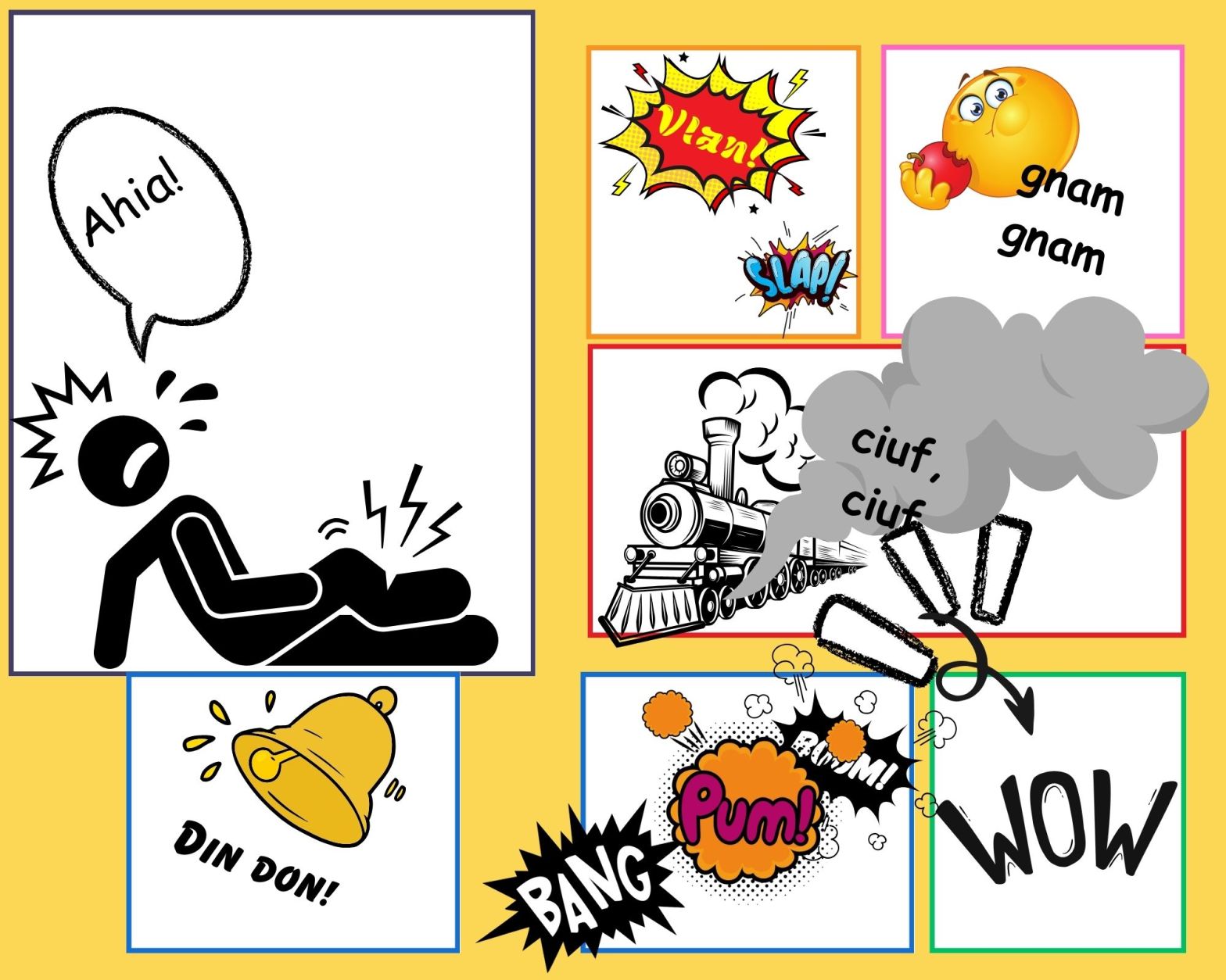
What is onomatopoeia? Crack! Brrr! Mmmm! These sounds, representing actions, are onomatopoeic. In one blog I found this statement about onomatopoeic words: “…there is another way to make us understood without using meaningful words: onomatopoeias…” but I would argue that onomatopoeic words are very much meaningful as they are a helpful way of showing, notContinue reading “Understanding Onomatopoeia: Sounds That Speak”
Quick Onomatopoeia Lesson Plan for Kids

Learn Italian Animal Sounds: Fun Onomatopoeia Guide
This post all about onomatopoeia in Italian; the sounds animals make, for example, are not the same in Italian and English, though sometimes the sound is the same but the spelling uses Italian phonetics. Be prepared, though, for students to make these sounds in class – loudly! Cani e gatti (Cats and Dogs) While dogsContinue reading “Learn Italian Animal Sounds: Fun Onomatopoeia Guide”
8 marzo (March 8): La Festa della donna or Giornata internazionale della donna (International Women’s Day)

March 8th is a worldwide day to celebrate women and their contributions to their societies and cultures. This tradition actually began on February 28, 1909, in the United States, to commemorate and honor the women protesting for better working conditions in a garment workers’ strike in New York City that happened in 1908. But accordingContinue reading “8 marzo (March 8): La Festa della donna or Giornata internazionale della donna (International Women’s Day)”
Where are the women?
Finding a complex problem for a problem-based learning unit can be daunting, but it does not have to be an earth-shattering or brand new issue to launch into a PBL unit and include students in the process. March is traditionally Women’s History Month and it spawned this question in my mind: where are the womenContinue reading “Where are the women?”
Navigating the Potential Pitfalls of Teaching Units on Family: Inclusive Alternatives to the Family Tree Project
Educators aim for a trauma-sensitive teaching approach to avoid harming students, particularly concerning family topics. Traditional family projects can stigmatize, prompting the need for reimagined activities focusing on self-identification and inclusive representations of family. Various creative alternatives highlight diverse family structures while fostering essential language learning and providing a supportive environment.
Welcome to Project-Based Italian!
This site is dedicated to teachers of Italian language at all levels, but predominantly for teachers at the middle and secondary school levels. There are not that many resources available for teaching Italian language and teachers, in my experience, have had to spend much time not only planning curriculum but also designing materials for thatContinue reading “Welcome to Project-Based Italian!”
 Project-Based Italian