This post all about onomatopoeia in Italian; the sounds animals make, for example, are not the same in Italian and English, though sometimes the sound is the same but the spelling uses Italian phonetics. Be prepared, though, for students to make these sounds in class – loudly! Cani e gatti (Cats and Dogs) While dogsContinue reading “Learn Italian Animal Sounds: Fun Onomatopoeia Guide”
Author Archives: An American Teacher
4 Significant Contemporary and Modern Italian Women in Politics
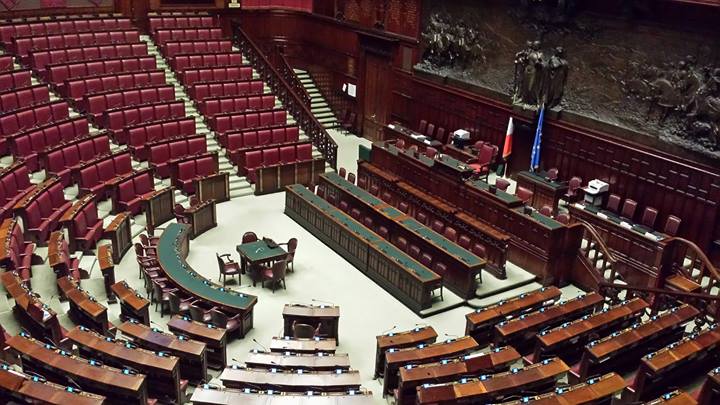
Giorgia Meloni, Prime Minister of Italy On October 22, 2022 Giorgia Meloni took the oath of office as Italy’s first female Prime Minister. Born on January 15, 1977 in Rome, Meloni grew up in the Garbatella district of that district. Her father left the family when Meloni was young, so she grew up with aContinue reading “4 Significant Contemporary and Modern Italian Women in Politics”
8 marzo (March 8): La Festa della donna or Giornata internazionale della donna (International Women’s Day)

March 8th is a worldwide day to celebrate women and their contributions to their societies and cultures. This tradition actually began on February 28, 1909, in the United States, to commemorate and honor the women protesting for better working conditions in a garment workers’ strike in New York City that happened in 1908. But accordingContinue reading “8 marzo (March 8): La Festa della donna or Giornata internazionale della donna (International Women’s Day)”
Where are the women?
Finding a complex problem for a problem-based learning unit can be daunting, but it does not have to be an earth-shattering or brand new issue to launch into a PBL unit and include students in the process. March is traditionally Women’s History Month and it spawned this question in my mind: where are the womenContinue reading “Where are the women?”
Navigating the Potential Pitfalls of Teaching Units on Family: Inclusive Alternatives to the Family Tree Project
Educators aim for a trauma-sensitive teaching approach to avoid harming students, particularly concerning family topics. Traditional family projects can stigmatize, prompting the need for reimagined activities focusing on self-identification and inclusive representations of family. Various creative alternatives highlight diverse family structures while fostering essential language learning and providing a supportive environment.
Happy 2025! Buon 2025!

Tantissimi auguri di buon anno a tutti! Thank you, dear readers and subscribers, for reading this blog. Thank you, for loving the Italian language and culture so much that you teach and promote it thoughtfully. Thank you, for buying our products on Teachers Pay Teachers. Thank you mostly, though, for your patience, as I haveContinue reading “Happy 2025! Buon 2025!”
Project Based Learning – How I got started (& realized it was not really PBL, yet)
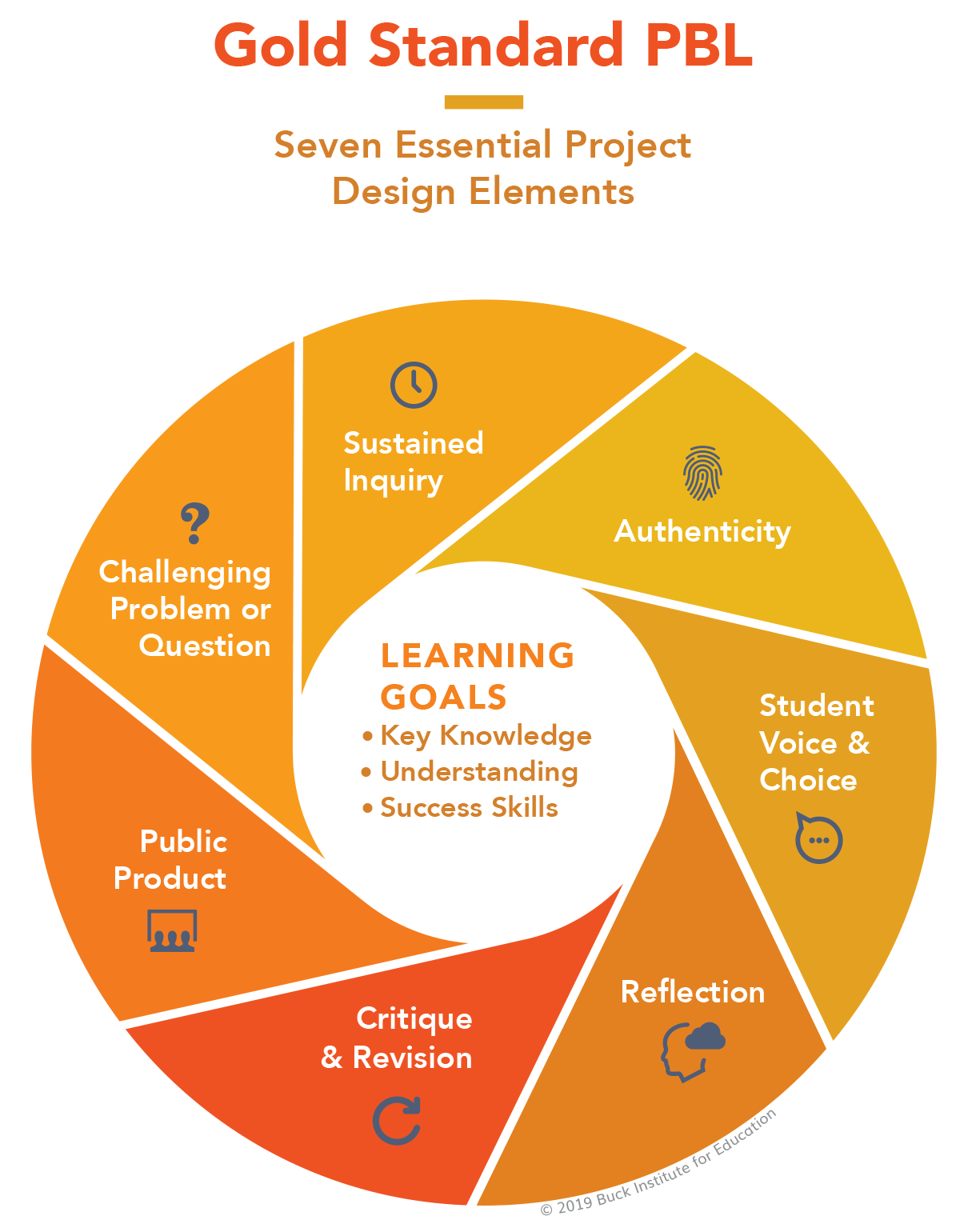
I began my career in Melrose in 2013-2014. In that year I also began my exploration of Project Based Learning by creating a quarter-long unit on the Commedia dell’Arte Italian literary period (examples of this are works by Goldoni, the Italian playwright, the creation of stock characters still in use today such as Harlequin, Colombina). Continue reading “Project Based Learning – How I got started (& realized it was not really PBL, yet)”
Lesson Plan: Exploring Identity Through Venetian Masks

What Is “Covering the Curriculum” Anyway?

Let’s upgrade our thinking in planning for instruction in the World Language (specifically, the Italian) classroom and throw out our old pacing guides and scopes and sequences! This does not mean we just wing it without thoughtfully planning units but it does help us respond quickly to our learners’ own communicative goals and purposes. It also gives us more time with all of our learners individually, even in larger classes!
Unit Plan (not totally PBL): Exploring “Caro Diario”: An Italian Language Journey through Nanni Moretti’s Film
This plan is best implemented with upper level Italian language students (Levels 4, 5, or AP). In this learning unit, students will dive into the Italian film “Caro Diario” (Dear Diary) directed by Nanni Moretti. Through engaging activities, discussions, and creative projects, students will enhance their Italian language skills while exploring the themes, cultural references, and filmmaking techniques of the movie. They will engage in research, analysis, role-play, and creative expression to deepen their understanding of Italian language and culture.

